
Global air cargo tonnage, pricing and capacity decline in early May
Traffic from Asia Pacific and MESA weakened after holiday-driven demand eased, while annual volumes and spot rates remained above last year.
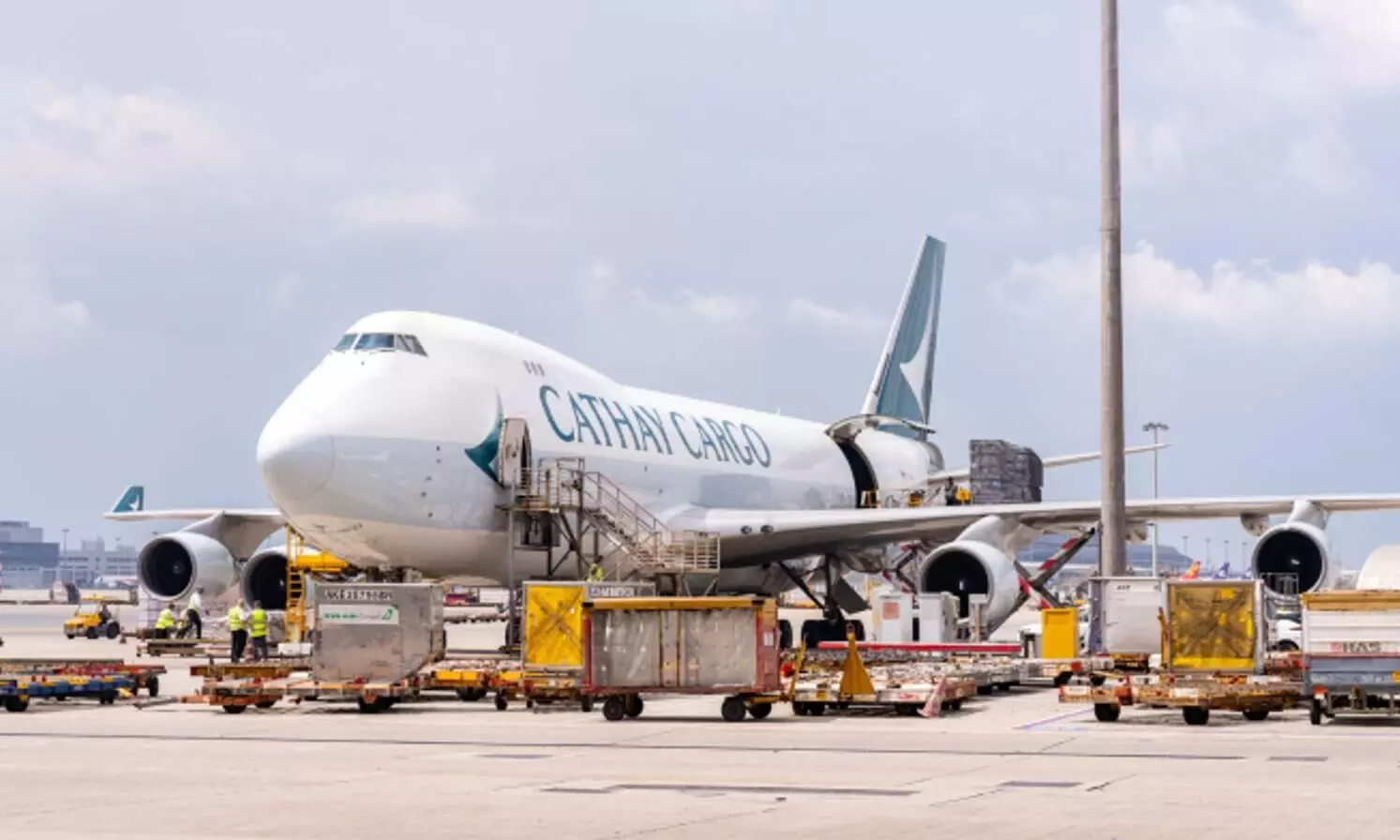
Global air cargo volumes, pricing and capacity declined in the first full week of May as the holiday period in Asia ended and flower shipments linked to Mother’s Day eased, according to WorldACD Weekly Air Cargo data. Despite the week-on-week decline, both traffic and pricing remained higher on an annual basis.
Global tonnage fell 3% week on week (WoW), taking the combined decline for weeks 18 and 19 to 6% compared with the previous two weeks, based on more than 500,000 weekly transactions covered by WorldACD’s data. The fall was largely driven by the end of the Mother’s Day flower surge, which reduced volumes from Central and South America (CSA) by 19% WoW and 9% over the two-week period. Chargeable weight from Asia Pacific dropped 5% WoW and 8% over two weeks following the end of the Super Golden Week holiday.
Tonnage from the Middle East & South Asia (MESA) region declined 4% WoW, while traffic from North America and Europe increased 5% and 2% respectively as demand from Asia rebounded after the holiday period. On a year-on-year (YoY) basis, global tonnage rose 5%, with increases from all origin regions except Africa, which recorded an 11% decline.
The Super Golden Week holiday, combining Japan’s Golden Week with public holidays in China and South Korea, reduced outbound volumes from Asia Pacific by 9% WoW to both Europe and the United States. Chargeable weight from Japan dropped 44% to the US and 54% to Europe. While volumes from Asia Pacific to the US declined across all sectors, chargeable weight from Vietnam to Europe rose 22%. Exports to other European destinations fell, except from Thailand, which remained flat, and Taiwan, which increased 1%.
Volumes from MESA dropped 5% WoW to both the US and Europe, although trends varied across markets. Traffic to Europe declined due to double-digit falls from Dubai and Bangladesh, while chargeable weight to the US from Dubai increased 65% after a double-digit decline the previous week. However, volumes from India and Sri Lanka to the US declined 7% and 5% respectively. On an annual basis, chargeable weight from MESA increased 11% to the US but declined 1% to Europe, resulting in overall growth of 6% for MESA-origin airfreight.
Chargeable weight from Asia Pacific to Europe slipped 1% YoY due to lower tonnage from Japan, Indonesia and Hong Kong, while exports to the US increased 33%, supported by growth across most origins except Indonesia, down 21%, and Japan, down 2%. Volumes from China and Hong Kong to the US increased by nearly 50%.
Global air cargo pricing also declined as demand slowed. Average rates fell 3% WoW to $3.22, matching the decline in chargeable weight. With the exception of Europe, where rates rose 1%, and North America, where pricing remained flat, rates declined across all regions. CSA recorded the steepest drop at 8%, followed by Africa at 7%, reflecting the end of flower shipments for Mother’s Day.
On a YoY basis, CSA was the only origin region to record single-digit pricing growth at 7%, while other regions reported increases ranging from 22% in North America to 56% in MESA. Overall pricing increased 39% YoY, while spot prices were 51% higher.
Spot rates from MESA to Europe declined 3% WoW, with low single-digit falls across most origins except Dubai, which rose 7%. Pricing to the US also declined 3% WoW due to single-digit drops across MESA origins. On an annual basis, spot rates from MESA to the US increased 60%, led by a 135% rise from Dubai. Dubai also recorded a 181% increase in spot rates to Europe, contributing to a 72% rise for MESA overall.
Global air cargo capacity declined 2% WoW following flat growth in week 18 as the flower rush and Super Golden Week ended. Capacity dropped 4% in CSA, 3% in Asia Pacific, and 2% in both North America and Africa. Europe and MESA remained flat, indicating slower momentum in rebuilding capacity in the latter region.
Freighter operations by Gulf-based carriers have largely recovered, although passenger services are not expected to fully return until conflict conditions stabilise and traveller confidence improves. Rising fuel costs have also led airlines to reduce or cancel unprofitable routes, particularly regional services operated by narrowbody aircraft, although the impact on cargo capacity has remained limited. Airlines cut 13,000 flights in May, and industry observers expect further schedule changes as aviation fuel prices are unlikely to decline significantly in the near term.